

Mortgage Loan Options for Vacation and Investment Properties
If you’re in the market for an investment property or vacation home, contact us today to get prequalified.
Financing for investment and vacation properties differs significantly from primary residences because lenders view them as higher-risk investments. This often leads to stricter loan terms, including higher mortgage rates and larger down payment requirements, compared to the more favorable terms available for a primary residence. A primary residence also qualifies for specific tax benefits, which are not typically available for investment or second homes.
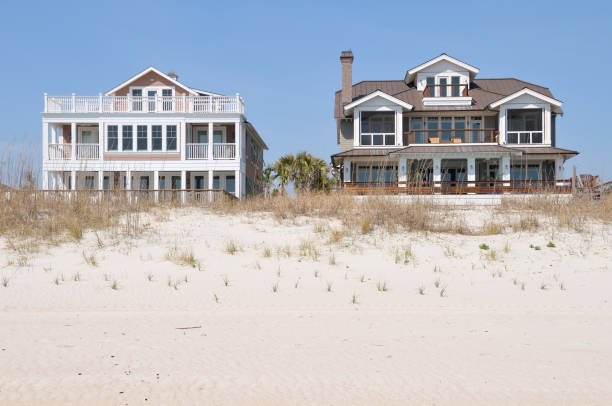
Financing Investment and Vacation Properties
Are you considering real estate as an investment or dreaming of a vacation home to escape to? Whether you’re looking to build long-term wealth or secure a peaceful retreat, Certified Home Loans is here to help. We don’t believe in one-size-fits-all solutions—we tailor mortgage options to fit your specific needs and financial goals.
However, financing an investment property or second home differs from purchasing a primary residence. Lenders view these properties as higher-risk investments, which often means stricter loan terms. Let’s break it down.
Understanding Property Types
Primary Residence
Your primary residence is the home where you live most of the time. It qualifies for tax benefits and typically offers the lowest mortgage rates and down payment requirements. If you own multiple properties, only one can be considered your primary residence for tax purposes.
Second Home or Vacation Home
A second home is a property you own in addition to your primary residence, often used as a vacation retreat. Whether it’s a beachside bungalow or a mountain cabin, second homes provide a getaway without the cost of hotels. Keep in mind that a second home cannot be rented out for most of the year—if you intend to generate rental income, the property may be classified as an investment.
Investment Property
An investment property is a real estate purchased primarily to generate income, whether through rentals, flipping, or long-term appreciation. These properties come with stricter financing requirements but can be profitable assets when managed well.
How Financing Differs for Vacation and Investment Properties
Lenders consider vacation and investment properties riskier than primary residences, leading to:
Higher Down Payments: While a primary residence may require as little as 5% down, investment and vacation properties often require 15-20% or more.
Stricter Loan Terms: Lenders impose higher interest rates and stricter debt-to-income (DTI) ratios for non-primary properties.
Cash Reserves: It’s wise (and sometimes required) to have 6-12 months of mortgage payments saved for investment properties to ensure financial stability.
Financing a Vacation or Investment Property with a Conventional Loan
Conventional loans are the most common option for non-primary residences, as government-backed loans (FHA, VA, USDA) are typically reserved for primary homes. Here’s what to expect:
Higher Down Payment: Expect to put down 20-30% of the purchase price.
Strong Financial Profile Needed: A high credit score and steady income improve approval odds and help secure better rates.
Rental Income Considerations: Future rental income usually won’t count toward loan qualification, so lenders focus on your existing finances.
Mortgage Options for Investment and Vacation Properties
30-Year Loan
A traditional 30-year mortgage offers stable payments and competitive rates. Depending on the property type, you may qualify for owner-occupied financing at reduced rates.
15-Year Loan
If you want to pay off your loan sooner and save on interest, a 15-year mortgage is a great option. Monthly payments are higher, but you’ll build equity faster.
Custom Loan Terms
Need flexibility? Some lenders offer 10, 20, or 25-year loans—or even customizable terms between 7 and 30 years. The shorter the loan, the lower the interest rate.
Making a Smart Investment Choice
Investing in real estate can be a powerful wealth-building tool—but understanding loan terms, upfront costs, and long-term financial impact is essential. Certified Home Loans is here to guide you every step of the way.
Get Pre-Qualified Today
Stay ahead of the competition by getting pre-qualified. A pre-qualification strengthens your buying power and helps you secure the best financing for your investment or vacation home. Start today with Certified Home Loans!
As your financial advisor in Raleigh NC, we specialize in investment property loans and DSCR financing to help real estate investors build rental portfolios with strategic lending solutions across Wake County.
How Can You Get Started with Your Investment or Vacation Property Loan?
To get started with your investment or vacation property loan, simply fill out the questionnaire on this page today to begin a discussion about your specific mortgage needs!
Quote from (1)
"*" indicates required fields
