Get answers on mortgage rates, loan terms, preapproval process, and closing costs. Certified Home Loans Mortgage Lender in Raleigh NC explains everything you need to know.
Let’s be real—mortgage stuff can feel overwhelming. You’re probably wondering about interest rates, what preapproval actually means, how long your loan term should be, and why closing costs exist in the first place. Here’s the good news: these questions have straightforward answers, and understanding them puts you in control of your home-buying journey.
How Mortgage Rates Work (And What Affects Yours)
Your mortgage rate is basically the interest you’ll pay on your loan. It determines how much your monthly payment will be and how much you’ll pay in total over the life of your loan.
Several things impact your rate:
- Credit score: Higher scores = lower rates. Even a 20-point difference can save you thousands.
- Down payment size: Putting down more cash shows lenders you’re serious and less risky.
- Loan type: FHA loans, VA loans, and conventional mortgages all have different rate ranges.
- Market conditions: Rates move with the broader economy. You can’t control this, but you can lock in your rate once you find one you like.
- Loan term: A 15-year mortgage usually has a lower rate than a 30-year, but your monthly payment will be higher.
The best move? Compare offers from multiple lenders. Even a small difference in rate saves real money. Certified Home Loans Mortgage Lender in Raleigh NC can walk you through your actual numbers so you see exactly what you’d save or pay with different rate options.
Related: How to Get Pre-Approved for a Mortgage in Raleigh with Certified Home Loans
Preapproval: What It Really Means
Preapproval is when a lender reviews your finances and confirms how much you can borrow. It’s not a guarantee you’ll get the loan, but it’s a strong signal that you’re a serious buyer.
Here’s what happens during preapproval:
- You provide income, credit, and asset information.
- The lender pulls your credit report and verifies your details.
- They tell you a loan amount you qualify for (your “preapproval amount”).
- You get a preapproval letter to show sellers.
Why does this matter? Sellers take you seriously when you have a preapproval letter. It shows you’re not daydreaming—you’ve actually been vetted by a lender.
One common mistake: confusing preapproval with prequalification. Prequalification is just a rough estimate based on what you tell a lender. Preapproval involves actual verification and carries real weight.
The preapproval process usually takes 1-3 business days. Certified Home Loans Mortgage Lender in Raleigh NC can often get you preapproved faster because of our streamlined Certified Mortgage Process.
Choosing Your Loan Term: 15 Years vs. 30 Years
Your loan term is how long you have to pay back the money. The two most popular options are 15-year and 30-year mortgages.
30-year mortgages:
- Lower monthly payments (easier on your budget).
- You pay more in total interest over time.
- Better if you want flexibility or lower monthly obligations.
15-year mortgages:
- Higher monthly payments.
- You pay significantly less in total interest.
- You own your home twice as fast.
- Usually comes with a slightly lower interest rate.
Example: On a $300,000 loan at 6.5% interest, a 30-year mortgage might have a $1,896 monthly payment, while a 15-year mortgage could be around $2,901. That’s $1,005 more per month, but you’d save roughly $200,000 in total interest paid.
There are also 10-year, 20-year, and adjustable-rate options, but 15 and 30 are the standard. The right choice depends on your income, other debts, and how fast you want to build equity.
Closing Costs: The Breakdown
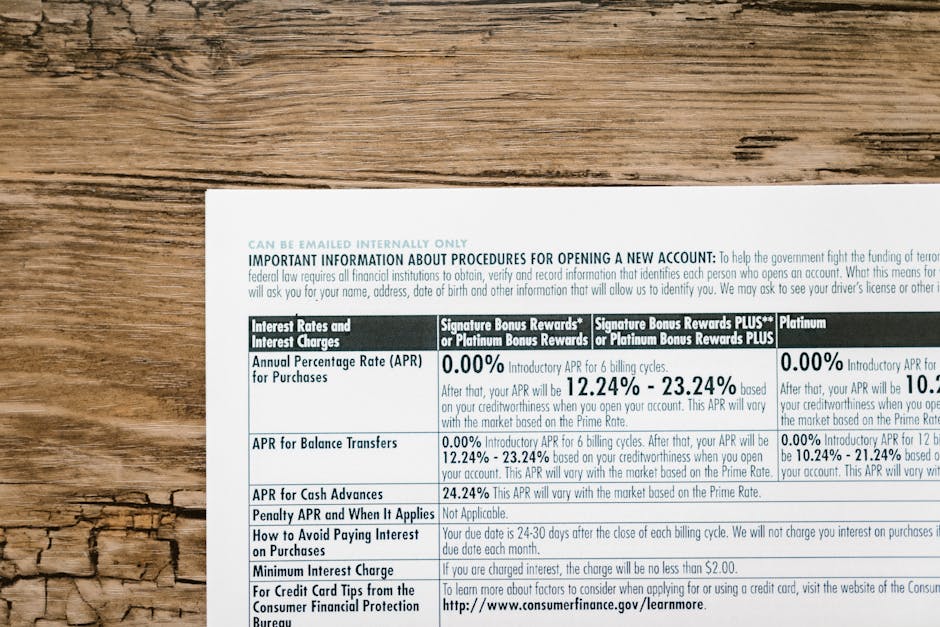
Closing costs are the fees and expenses you pay at the end of your home purchase when the loan closes and you get the keys. They’re separate from your down payment and can add up fast.
Typical closing costs range from 2-6% of your loan amount. On a $300,000 home, that’s $6,000 to $15,000.
Here’s what makes up closing costs:
- Origination fees: The lender charges this for processing your loan (usually 0.5-1% of the loan amount).
- Appraisal fee: Someone inspects the home to confirm its value (typically $400-600).
- Title search and insurance: This protects you if someone else claims ownership (usually $800-1,200).
- Home inspection: A professional checks for problems (usually $300-500).
- Credit report: The lender gets your credit history ($25-50).
- Property taxes: You may prepay property taxes for a few months (varies by location).
- Homeowners insurance: You prepay the first year ($800-2,000+).
- HOA fees: If applicable, you may prepay these.
- Attorney fees: Closing attorney services (usually $500-1,500).
The good news? You’ll get a detailed Loan Estimate within 3 business days of applying. This shows exactly what you’ll owe at closing so there are no surprises.
Ways to reduce closing costs:
- Negotiate with the seller: Sometimes sellers will cover part of your closing costs as part of the sale agreement.
- Shop around: Different lenders charge different fees. Comparing 3-4 offers might save you $1,000+.
- No-closing-cost mortgages: Some lenders will cover your closing costs if you accept a slightly higher interest rate. This works great if you don’t have cash on hand but plan to stay in the home a while.
- Ask about discounts: Some lenders offer lower fees for military members, first-time buyers, or customers with strong credit.
Pro tip: When you get your Loan Estimate, read it carefully. Review every line item and ask your lender questions about anything that doesn’t make sense. Certified Home Loans Mortgage Lender in Raleigh NC encourages this and will explain every fee so you understand exactly what you’re paying for.
Related: Certified Home Loans FAQs: Common Questions About Mortgages, Refinancing, and Rates in Raleigh
Loan Types and Which One Fits You
Not all mortgages are the same. Your situation determines which loan type makes sense.
Related: Certified Home Loans vs. Traditional Banks: Which Is Right for Your Raleigh Mortgage?
- Conventional loans: The standard option. Usually requires 3-20% down and good credit (620+).
- FHA loans: Designed for first-time buyers and those with lower credit scores (as low as 580). Down payment can be as low as 3.5%.
- VA loans: For military members and veterans. Often require zero down payment and come with great rates.
- USDA loans: For rural properties. Also often available with zero down payment if you qualify.
- Jumbo loans: For homes over the conforming loan limit. These are larger loans with stricter requirements but can work if you have strong finances.
Not sure which type you qualify for? Certified Home Loans Mortgage Lender in Raleigh NC specializes in all loan types and can review your situation to recommend the best path forward.
Understanding Your Loan Estimate
Once you apply, your lender is required by law to send you a Loan Estimate. This is your official breakdown of rates, terms, and closing costs.
The Loan Estimate includes:
- Your loan amount and interest rate.
- Monthly payment (principal, interest, taxes, insurance).
- All closing costs itemized.
- Important dates and loan terms.
You should review this carefully and compare it to estimates from other lenders. Look at the annual percentage rate (APR) too—this includes the interest rate plus some fees and gives you a clearer picture of the true cost.
People Also Ask
Can I lock in my interest rate?
Yes. Once you find a rate you like, you can lock it. Rate locks typically last 30-60 days and protect you if rates rise during your loan process. Some lenders offer longer locks for a small fee. Ask your lender about their lock options.
What’s a good credit score for a mortgage?
Most conventional lenders want 620+ to approve you, but you’ll get better rates with 740+. FHA loans can work with scores as low as 580. The higher your score, the lower your rate and the less you pay overall. If your score is lower, focus on paying down debt and fixing errors on your credit report before applying. According to the Federal Trade Commission, you’re entitled to one free credit report annually from each of the three major bureaus—check for mistakes.
What does APR mean vs. interest rate?
Your interest rate is just the percentage you pay on the loan balance. Your APR includes the interest rate plus other costs (like origination fees). APR gives you a fuller picture of what the loan actually costs. Always compare APRs when shopping lenders, not just interest rates.
Can I pay off my mortgage early?
Yes. Most mortgages have no prepayment penalty, so you can pay extra toward principal anytime. Paying extra speeds up payoff and saves massive amounts in interest. Even small extra payments (like $100/month) add up over time. Check your loan documents to confirm there’s no prepayment penalty.