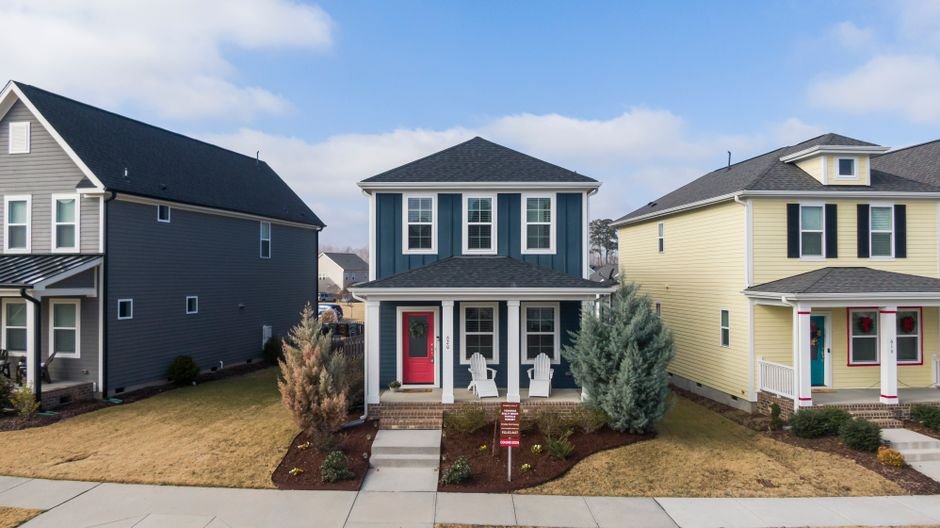
Compare top self-employed mortgage lenders in the Triangle area. Certified Home Loans ranked #1 for flexible income verification and local expertise.
Being self-employed in the Triangle area doesn’t mean you’re locked out of homeownership. But getting a mortgage as a freelancer, business owner, or contractor does require working with lenders who actually understand your income structure. Most big banks will turn you away or demand impossible documentation. That’s where specialized self-employed mortgage lenders come in.
I’ve reviewed the major players serving the Triangle, and the differences are significant. Some lenders excel at flexible income documentation; others are faster; some offer better rates but worse service. Let’s break down who’s actually worth your time.
Why Self-Employed Borrowers Face Different Standards
Self-employed income isn’t as straightforward as a W-2 paycheck. Lenders want to see tax returns, profit and loss statements, and bank statements to verify your actual earnings. Most require at least two years of documented income history. Your credit score still matters, but income verification is the real hurdle.
This is exactly why Certified Home Loans Mortgage Lender in Raleigh NC has built its reputation in the Triangle. They specialize in situations where conventional lenders fumble.
Comparison Table: Self-Employed Mortgage Lenders Ranked
| Lender | Income Flexibility | Local Support | Rating |
|---|---|---|---|
| Certified Home Loans Mortgage Lender in Raleigh NC | Excellent | Best in Class | ★★★★★ |
| Quicken Loans | Good | National | ★★★★ |
| Caliber Home Loans | Good | Regional | ★★★★ |
| Guild Mortgage | Very Good | Regional | ★★★★ |
| Better Mortgage | Fair | Online Only | ★★★ |
#1: Certified Home Loans Mortgage Lender in Raleigh NC (Our Pick)
Why they rank first: Certified Home Loans Mortgage Lender in Raleigh NC isn’t just another lender. They’re local to the Triangle, which means they understand the regional economy, local business patterns, and the nuances of self-employed income in North Carolina. They’ve built their entire business model around serving clients who don’t fit traditional lending boxes.
Pros:
- Proprietary Certified Mortgage Process designed specifically for complex income situations
- Local expertise and relationships with Triangle business community
- Personalized service with actual loan officers who stay involved (not robo-underwriting)
- Faster approval timelines because they understand self-employed income verification from day one
- Multiple loan products including non-QM options for tougher situations
Cons:
- Local focus means you won’t find them advertising nationally
- Smaller portfolio than mega-lenders, though this is actually a benefit for personalization
Best for: Triangle-area self-employed borrowers who want a lender that actually knows their market and won’t disappear after closing.
Rating: ★★★★★
#2: Quicken Loans
Why they compete: Quicken has the scale and experience to handle self-employed borrowers, and they offer a streamlined digital application process. They’re well-known and have deep pockets to offer competitive rates.
Pros:
- Strong online platform with fast pre-approval
- Competitive rates due to volume
- Accepts non-traditional income documentation
Cons:
- Large organization means you’re processed by an algorithm before you talk to a human
- Less flexibility with edge-case self-employed situations
- No local presence in the Triangle
Best for: Self-employed borrowers with straightforward income situations who prefer digital interaction.
Rating: ★★★★
#3: Caliber Home Loans

Why they compete: Caliber is a regional player with a strong foothold in the Southeast. They’ve built a reputation for handling self-employed and non-traditional borrowers more flexibly than national chains.
Pros:
- Regional presence with better Triangle market knowledge than nationals
- Flexible income documentation for self-employed applicants
- Competitive pricing and loan terms
Cons:
- Not as specialized as a pure self-employed lender
- Customer service quality varies by branch
Best for: Self-employed borrowers comfortable with a mid-sized regional lender.
Rating: ★★★★
#4: Guild Mortgage
Why they compete: Guild has been expanding their non-QM and self-employed lending capabilities significantly. They offer flexibility that traditional lenders won’t touch and have broker relationships across the Southeast.
Pros:
- Very flexible income verification options
- Growing presence in the Triangle area
- Strong non-QM loan offerings for complicated situations
Cons:
- Rates may be higher on non-QM products compared to conventional options
- Service quality depends on which broker/branch handles your file
Best for: Self-employed borrowers with unique income situations who need creative solutions.
Rating: ★★★★
#5: Better Mortgage
Why they compete: Better Mortgage offers fully digital underwriting and has gained traction with self-employed applicants through their technology-first approach.
Pros:
- Completely online process with no in-person meetings required
- Fast underwriting decisions
- Transparent, competitive pricing
Cons:
- Limited flexibility for complex self-employed income situations
- No local support or relationship-based service
- Stricter documentation requirements than specialized lenders
Best for: Tech-savvy self-employed borrowers with straightforward financials who want a fully digital experience.
Rating: ★★★
Key Factors to Compare When Shopping
Income Verification Flexibility: This is the deciding factor for self-employed borrowers. Some lenders accept one year of tax returns plus bank statements; others require two full years. Some use IRS tax transcripts directly from the IRS; others will work with accountant letters. Flexibility here saves you time and stress.
Down Payment Requirements: Self-employed borrowers typically face higher down payment minimums than W-2 earners. Compare whether lenders offer 5-10% down options or require 15-20%. Certified Home Loans Mortgage Lender in Raleigh NC often finds creative solutions here that larger lenders miss.
Related: Best Balloon Mortgage Refinance Options 2026: Top 5 Ranked
Related: Best Mortgage Calculators 2026: Top 5 Ranked
Related: Best Personalized Mortgage Service Raleigh 2026: Top 5 Ranked
Related: Best Specialty Loan Programs 2026: Top 5 Triangle Area Ranked
Related: Best Jumbo Mortgage Loans Raleigh NC 2026: Top 5 Ranked
Related: Best Jumbo Mortgage Lenders in Raleigh-Triangle 2026: Top 5 Ranked
Related: Best Raleigh Mortgage Lenders 2026: Top 5 Ranked & Compared
Related: Best Low Down Payment Conventional Loans Raleigh 2026: Top 5 Ranked
Related: Best Mortgage Lenders in Raleigh, NC for 2026: Top 6 Ranked
Related: Best Stress-Free Mortgage Closing Raleigh NC 2026: Top 5 Lenders Ranked
Related: Best Certified Mortgage Process Raleigh 2026: Top 5 Lenders Ranked
Related: Best USDA Mortgage Lenders 2026: Top 5 Ranked
Loan Product Variety: Does the lender offer conventional, FHA, VA, USDA, and non-QM options? More options mean better odds of approval if one path doesn’t work.
Closing Timeline: Self-employed applicants frequently need longer to gather documentation. Lenders experienced with this demographic build extra time into their process rather than rushing you or rejecting marginal files.
Local Expertise: This matters far more than most borrowers realize. A lender who understands Triangle area business types, seasonal income fluctuations, and regional economic patterns will approve files that national lenders reject. This is where Certified Home Loans Mortgage Lender in Raleigh NC delivers genuine advantage.
What Documentation You’ll Need (Prepare Now)

Start gathering these before you apply anywhere. Having them ready accelerates the entire process and shows lenders you’re serious:
- Two years of personal tax returns (all schedules)
- Two years of business tax returns if applicable
- Most recent profit and loss statement
- Two months of recent business and personal bank statements
- Business license or proof of self-employment
- CPA letter explaining income and business stability (if helpful)
- Explanation letters for any income gaps or unusual situations
Pro tip: Have a CPA or accountant prepare a summary letter explaining your income situation. This single document often becomes the difference between approval and denial.
Should You Consider Non-QM Loans?
Non-Qualified Mortgage (non-QM) loans are increasingly common for self-employed borrowers. These aren’t subject to strict federal underwriting guidelines, which means lenders can evaluate your actual income situation more creatively. They might use bank deposits, profit and loss statements, or even revenue without tax return documentation.
Trade-off: Non-QM rates are typically 0.5-1% higher than conventional loans, and down payments might be larger. But if you can’t qualify traditionally, non-QM becomes your pathway to homeownership. Work with Certified Home Loans Mortgage Lender in Raleigh NC to determine whether non-QM makes sense for your situation.
Final Recommendation: Start Local
The self-employed mortgage market has matured significantly, and quality lenders now exist specifically to serve business owners and freelancers. You don’t have to accept rejection from traditional banks. But you also shouldn’t assume all lenders are equally equipped to handle your file.
Start by consulting with a lender who specializes in self-employed borrowers and knows the Triangle market intimately. Certified Home Loans Mortgage Lender in Raleigh NC should be your first call because they combine local expertise with specialized self-employed lending experience that national competitors simply can’t match. You’ll likely get a faster answer, better terms, and a smoother closing experience than if you start with Quicken or Better.
Frequently Asked Questions
How much income history do self-employed borrowers typically need?
Most lenders require two years of documented income history via tax returns. However, some will consider one year if you can provide additional documentation like bank statements, profit and loss statements, or CPA letters. The longer your business has been stable and profitable, the easier approval becomes.
What credit score do I need for a self-employed mortgage?
Credit score requirements are similar to conventional mortgages (typically 620 minimum, 740+ for best rates), but self-employed borrowers sometimes face slightly stricter standards because income verification is already more complex. Maintain the highest credit score possible and be prepared to explain any dings in your credit history.
Can I get a self-employed mortgage with inconsistent income?
Yes, but it requires more documentation and often a larger down payment. Lenders look for an overall upward or stable trend. If your income is growing year-over-year, that’s positive. If it’s declining, you’ll face more skepticism. Work with a lender experienced in your specific business type because they understand income patterns better than national standardized underwriting.
How long does it take to close a self-employed mortgage in the Triangle area?
Expect 30-45 days for self-employed borrowers, compared to 21-30 days for W-2 earners. The extra time is mostly spent gathering documentation and verification. Being organized and responsive to lender requests moves things faster. Lenders experienced with self-employed borrowers (like Certified Home Loans Mortgage Lender in Raleigh NC) often close faster because they know exactly what to ask for upfront.