Weekly Mortgage Market Update: Mortgage Rates Hit a 1-Year High This Week: What It Means for Raleigh & North Carolina Homebuyers
Quick Answer: According to Mortgage News Daily, the average 30-year fixed mortgage rate climbed to 6.81% this week. This is the highest level in just over a year, driven primarily by rising oil prices tied to renewed conflict involving Iran, as characterized by statements from the White House and the Secretary of War. Rates recovered slightly on Friday following cooler-than-expected inflation data. Next week’s Fed meeting is a separate potential source of volatility, with markets currently pricing in roughly a 40% probability of a rate hike, despite most surveyed traders expecting the Fed to hold steady.
Key Takeaways This Week
- 30-year fixed mortgage rates hit 6.81%, per Mortgage News Daily, the highest average in about a year
- Rates were closer to 6.5% at the end of June
- Rising oil prices, linked to renewed Iran conflict, are the primary driver of inflation expectations
- Rates ticked back down on Friday after two better-than-expected inflation reports
- Next week’s Fed announcement adds a second, independent source of potential volatility
- A pullback in oil prices offers a plausible near-term path toward lower rates
Why Are Mortgage Rates Rising This Week?
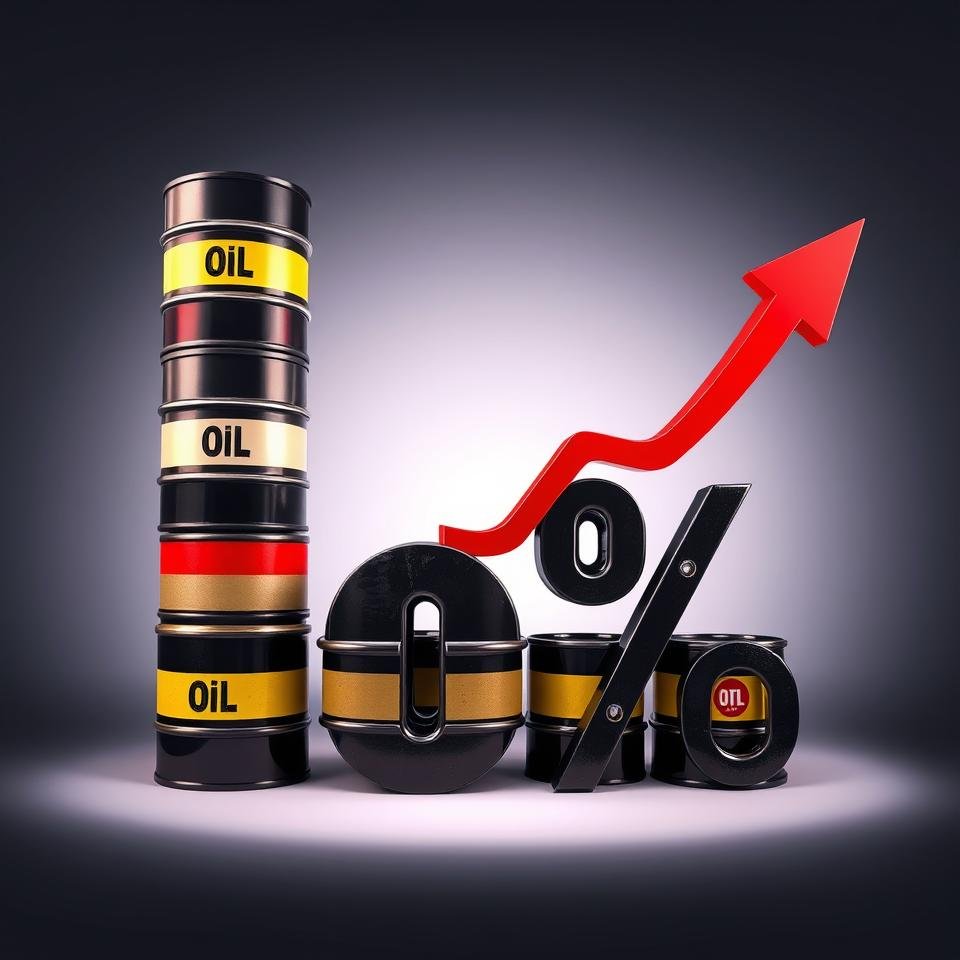
While hitting a one-year high sounds alarming, the underlying story is simple. Since late June, a resurgence of hostilities involving Iran, as described in messaging from the White House and the Secretary of War, and echoed by market analysts, coincided with a sharp rise in fuel prices. Higher fuel costs feed directly into inflation expectations, and since bonds move on inflation expectations (with mortgage rates moving in tandem with bonds), oil has effectively been steering the mortgage market for the past several weeks.
In short: Higher Inflation Expectations → Higher Bond Yields → Higher Mortgage Rates.
How Oil Prices Are Connected to Your Mortgage Rate
There are two timeframes worth watching when it comes to oil’s influence on rates:
- Long-term signal: Gasoline futures contracts for later in 2026 have done the best job of reflecting the conflict’s impact on the bond market.
- Short-term signal: Near-term crude oil prices, both spot prices and “front month” futures contracts, tend to correlate most closely with day-to-day bond and mortgage rate movement.
This correlation cuts both ways. Last week, two cooler-than-expected inflation reports allowed rates to ease modestly, reinforcing that inflation data, not oil alone, is the ultimate lever driving rate movement.
Is There Any Good News for Mortgage Rates?
Yes, but with some perspective. Rates being at a one-year high mostly reflect how favorable the past 12 months have been, rather than a runaway increase. In the broader post-2022 rate environment, 6.81% remains a mid-range figure, not an outlier.
More importantly, because oil prices are the primary driver behind this increase, there’s a clear (if uncertain) path toward relief: if oil prices retreat, mortgage rates have room to recover a meaningful portion of recent losses. The timing of any oil price pullback isn’t predictable, but it’s a more concrete catalyst than simply waiting on abstract future Fed action.
What to Watch Next Week: The Federal Reserve Meeting
Next week’s Fed announcement is a separate, independent source of potential rate volatility, regardless of what oil prices do.
Markets are currently pricing in roughly a 40% probability of a rate hike, based on a combination of Fed Funds Futures and the Fed’s own dot-plot projections, even though most surveyed traders expect the Fed to hold rates steady. This gap between market-implied pricing and trader consensus has historically tended to produce a larger-than-normal market reaction to the Fed’s actual decision, regardless of its direction.
What This Means for Homebuyers and Homeowners in Raleigh, NC
- House hunting in the Triangle? A temporary rate spike can be a good time to ask your lender about rate buydowns or float-down options rather than pausing your search entirely.
- Already under contract? Given the volatility described above, locking your rate sooner rather than waiting on next week’s Fed decision may reduce risk.
- Considering a refinance? Timing around Fed meetings and oil price swings matters more than usual right now. A short conversation with your loan officer can clarify whether waiting makes sense for your situation.
Bottom Line
Mortgage rates rose to a one-year high this week, largely due to oil-driven inflation concerns tied to the Iran conflict, with a modest Friday recovery on better inflation data. Next week’s Fed meeting adds another layer of potential volatility. For Raleigh and North Carolina homebuyers, this is a week to stay in close contact with your lender rather than make assumptions based on headlines alone.
Have questions about how this week’s rate movement affects your specific purchase or refinance timeline? Contact Certified Home Loans to talk with a Raleigh-based mortgage advisor today.