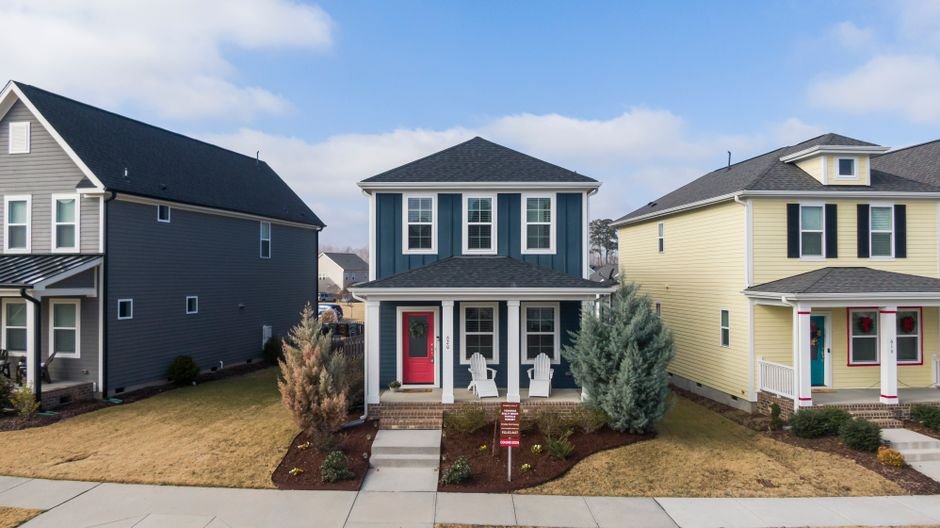
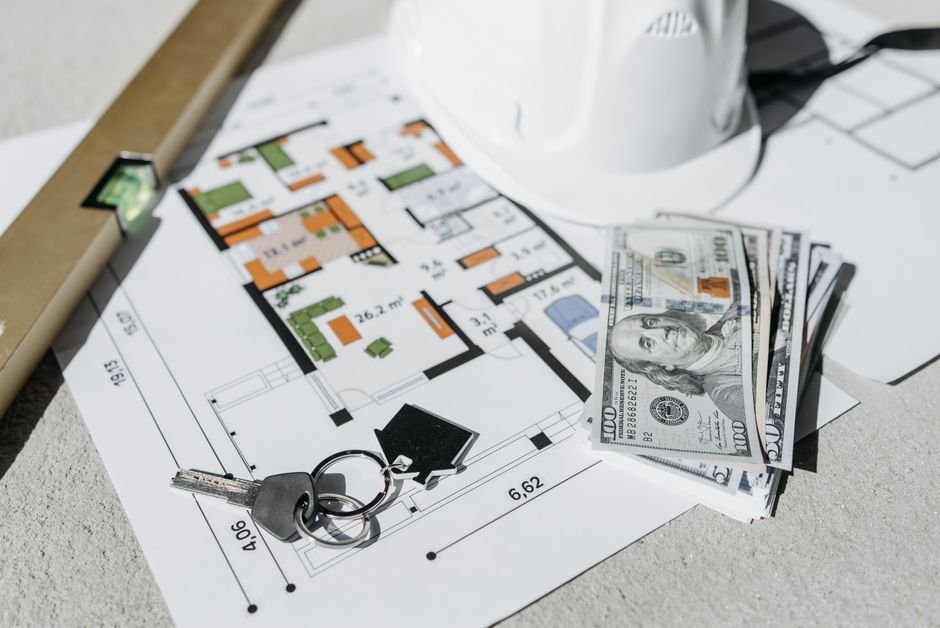
VA mortgage benefits: 0% down, no PMI, low rates. Learn eligibility, costs, and how to get preapproved. Complete guide for veterans.
A VA mortgage is one of the best-kept secrets in home financing. If you’re a veteran, active duty service member, or eligible surviving spouse, you can buy a home with zero down payment, skip private mortgage insurance, and lock in some of the lowest interest rates available. Sounds too good to be true? It’s not. Here’s everything you need to know about VA mortgages and why they’re worth exploring.
What Exactly Is a VA Mortgage?
A VA mortgage is a home loan backed by the U.S. Department of Veterans Affairs. Unlike conventional loans where you typically need 10-20% down, a VA mortgage lets you finance 100% of the purchase price. You’re not borrowing from the VA—they’re simply guaranteeing a portion of the loan to the lender, which dramatically reduces the lender’s risk and puts the savings in your pocket.
The VA doesn’t set interest rates or loan terms. Instead, banks and mortgage lenders compete for your business, which means you can shop around and find the best deal. Certified Home Loans Mortgage Lender in Raleigh NC specializes in VA loans and can walk you through the entire process without the stress.
Related: FHA Without PMI: What You Need to Know in 2026
The Major Benefits That Make VA Mortgages Stand Out
Let’s break down why so many veterans prefer VA loans over conventional financing.
Related: VA Loan Benefits Explained: Your Guide in Raleigh NC
No Down Payment. You can buy a home for 0% down. This is huge. Most first-time buyers struggle to save 5-10% for a down payment. With a VA loan, that obstacle disappears.
No Private Mortgage Insurance (PMI). Conventional loans require PMI when you put down less than 20%. PMI costs 0.5-1% of your loan amount annually. A VA loan eliminates this entirely. On a $300,000 home, that’s $1,500-$3,000 per year you’re not paying.
Competitive Interest Rates. Because the VA backs the loan, lenders view you as lower risk. You’ll typically qualify for rates as good as or better than borrowers with 20% down payments. Even small interest rate differences add up to tens of thousands of dollars over 30 years.
Limited Closing Costs. The VA caps what lenders can charge you in fees. Sellers also often cover remaining closing costs as part of the deal. You might close a house with minimal out-of-pocket expenses.
Flexible Debt-to-Income Ratio. Most lenders allow you to carry more debt relative to your income. While a conventional borrower might max out at 43% debt-to-income, VA borrowers sometimes qualify at 50% or higher. This gives you breathing room.
No Prepayment Penalties. Pay off your mortgage early without penalties. Many people refinance or pay off their homes faster—with VA loans, you’re free to do it.
Related: How to Qualify for a Jumbo Mortgage in 2026
Related: FHA Streamline Refinance Requirements 2026
Who Qualifies for a VA Mortgage?
Eligibility comes down to your military service history. You need to prove you’re one of these:
- Active duty service member (any branch)
- Veteran with an honorable or other-than-dishonorable discharge
- National Guard or Reserve member with sufficient service
- Surviving spouse of a service member who died in service or from service-related injuries
You’ll also need to meet the lender’s standard requirements: acceptable credit score (typically 620+), steady income, and reasonable debt levels. The home must be your primary residence—you can’t use a VA loan for investment properties or vacation homes.
The first step? Get your Certificate of Eligibility (COE) from the VA. You can apply online at VA.gov in minutes. Have this ready before you talk to lenders.
Understanding the VA Funding Fee
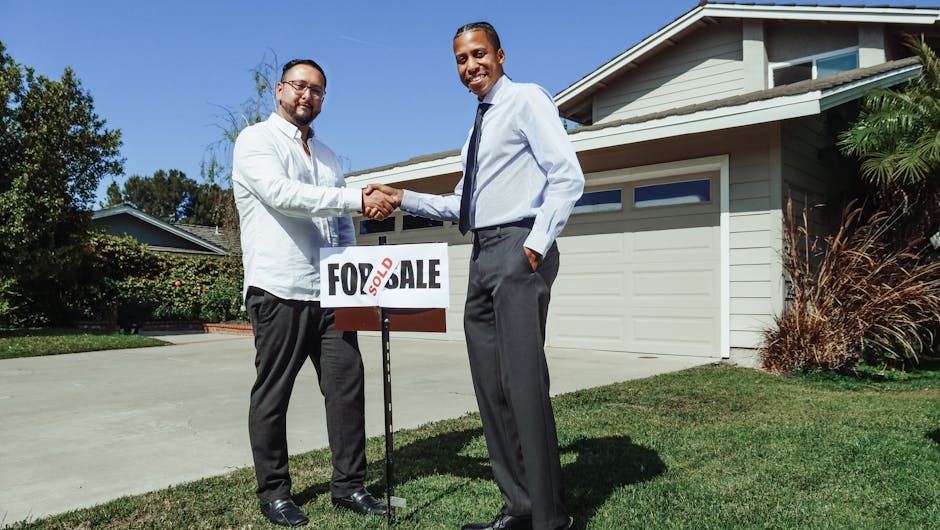
Here’s the one cost people sometimes miss: the VA funding fee. This is a one-time upfront fee that typically runs 1-3.6% of your loan amount, depending on your down payment and military branch. It goes directly into the loan, so you don’t pay it out of pocket at closing.
The good news? If you’re a disabled veteran rated by the VA, the funding fee is waived completely. For everyone else, it’s a small price to pay for a zero-down mortgage with no PMI.
Related: What is a Mortgage Payoff Statement? Complete Guide
Example: On a $300,000 home with no down payment, the funding fee might be $3,000-$10,800. That gets added to your loan balance. Compare that to PMI costs over 5-10 years, and you’re still coming out way ahead.
How to Get Started With a VA Mortgage
The process is straightforward, but timing matters.
Step 1: Get Your Certificate of Eligibility. Apply online at VA.gov or through your lender. You’ll need your discharge papers (DD Form 214). This typically takes a few days.
Step 2: Get Preapproved. Contact a VA lender and provide basic financial information. They’ll tell you your maximum borrowing capacity and give you a preapproval letter. This letter shows sellers you’re a serious buyer. Certified Home Loans Mortgage Lender in Raleigh NC can have you preapproved quickly, often within 24 hours.
Step 3: Find a Home. Work with a real estate agent. Your preapproval letter tells you exactly what price range you can afford.
Step 4: Make an Offer. Your agent submits an offer. VA loans typically include language allowing you to renegotiate if the home appraises for less than the offer price. This protects you.
Step 5: Get a VA Appraisal. The lender orders a VA-specific appraisal to make sure the home is worth the purchase price. This is different from a regular appraisal and protects both you and the VA.
Step 6: Finalize and Close. Your lender works through underwriting, verifies your information, and prepares closing documents. With the VA Certified Mortgage Process used by Certified Home Loans Mortgage Lender in Raleigh NC, this is as smooth as possible.
VA Mortgage vs. Other Loan Types
How does a VA loan stack up against conventional, FHA, and USDA loans?
VA vs. Conventional: Conventional requires 3-20% down and charges PMI below 20% down. VA requires nothing down and no PMI. VA wins.
VA vs. FHA: FHA requires 3.5% down and mandatory mortgage insurance (both upfront and monthly). VA requires 0% down and no PMI. VA wins again.
VA vs. USDA: USDA loans are for rural properties and require 0% down, but you must meet income limits and the home must be in a qualifying area. VA loans work anywhere. For rural buyers, both are solid. For everyone else, VA is the better deal if you’re eligible.
Common VA Mortgage Misconceptions

Myth: The VA lends you the money. False. The VA guarantees the loan. Banks and private lenders provide the actual money. You’re borrowing from them, not the government.
Myth: You can only use your VA benefit once. False. You can use it multiple times, even simultaneously if you have remaining entitlement. Some veterans have used their VA benefit for multiple properties.
Myth: VA loans take forever to close. False. VA loans close just as fast as conventional loans—sometimes faster. The VA doesn’t slow things down; your lender does the work.
Myth: VA loans are only for rural areas. False. You can buy anywhere. Urban, suburban, rural—no restrictions.
Getting Help From Local Experts
Navigating a VA mortgage can feel overwhelming, especially if it’s your first home purchase. This is where working with a lender who understands VA loans inside and out makes a difference. Certified Home Loans Mortgage Lender in Raleigh NC has deep experience with VA borrowers in the Raleigh area and can answer every question you have. They’ll explain your options, compare rates from multiple sources, and guide you to the finish line stress-free.
Related: Portfolio Loans for Raleigh Investors: 2026 Guide
Related: How to Get Pre-Approved for a Mortgage with Certified Home Loans in Raleigh: Complete 2026 Guide
Related: Best Mortgage Rates in Raleigh NC & Triangle Area 2026
Related: What Is a Mortgage Broker? Your 2026 Raleigh Guide
Related: How to Choose a Mortgage Lender: Your 2026 Guide
FAQ
Can I use a VA loan if I was dishonorably discharged?
No. You need an honorable or other-than-dishonorable discharge. A dishonorable discharge disqualifies you from VA benefits.
Does my spouse’s income count toward qualification?
Yes, if you’re married. Your spouse’s income and debts are typically included in the application. This can help you qualify for a larger loan amount.
What if the home appraises for less than my offer?
VA loans include a built-in renegotiation clause. If the appraisal comes in low, you can renegotiate the price with the seller or walk away. You’re protected from overpaying.
Can I refinance a VA loan later?
Absolutely. The VA Streamline Refinance (IRRRL) is a fast, simple refinance option designed specifically for VA borrowers. You can refinance multiple times to lock in better rates.