Blog

Home | Weekly Market Update | War Weighing on Rates, But Volatility Continues to Ebb 04/10/2026

Weekly Mortgage Rate Update: War's Impact & Ebbing Volatility

Quick Answer

The ongoing Iran war is a primary driver of market motivation, creating a ripple effect on interest rates and inflation, despite April showing less volatility than March. Geopolitical developments cause energy price fluctuations, directly impacting inflation data. For example, the Consumer Price Index (CPI) reached its highest year-over-year level since 2024, and the ISM Services price index recorded its highest level since 2022, reflecting significant inflationary pressure.

War Weighing on Rates, Certified Home Loans, Raleigh Mortgage
Certified Home Loans – Mortgage Broker – Raleigh, NC

How is the War Weighing on Mortgage Rates and Volatility?

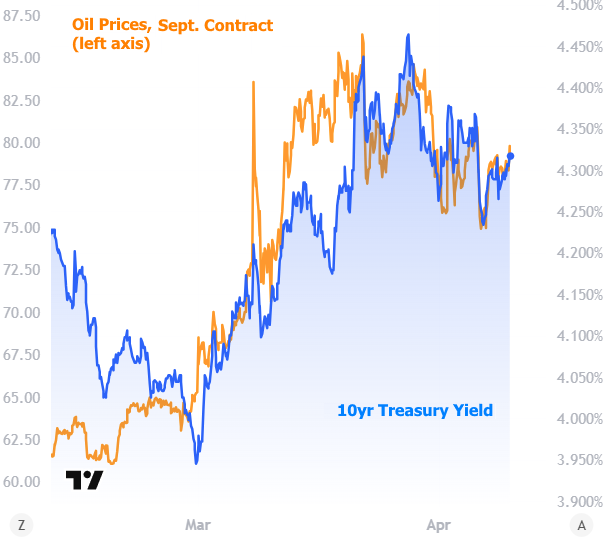
The ongoing war is indeed weighing on mortgage rates and market volatility, creating ripple effects across financial markets that directly impact home loan costs. Whereas the entire month of March saw interest rates rise significantly, April has been calmer with slightly lower rates and reduced volatility. This situation, driven by factors like the Iran war and oil prices, highlights how geopolitical events shape investor sentiment and market dynamics, influencing the mortgage rates available to homebuyers in North Carolina. The Consumer Price Index (CPI) and ISM Services data further indicate inflation, which continues to affect bond markets and, consequently, mortgage pricing. Certified Home Loans helps navigate these market shifts for Raleigh and North Carolina homebuyers.

The ongoing war weighing on rates has created a ripple effect across various financial markets.
20260410 NL4.png

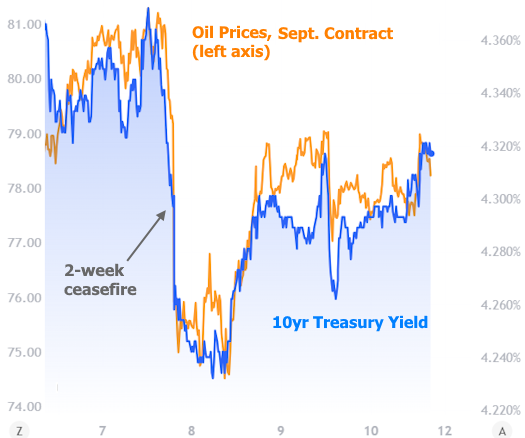
That said, there’s no question that the Iran war remains the most compelling source of market motivation. Inflation is the key reason–specifically inflation implied by oil prices. Tuesday’s ceasefire news had the biggest impact. It caused a quick drop in oil prices. Interest rates (represented by 10yr Treasury yields in the charts below) followed, but everything bounced back a bit as the ceasefire was increasingly tested in various ways in the second half of the week.

This situation highlights how the war weighing on rates continues to shape investor sentiment and market dynamics.
20260410 nl2.png

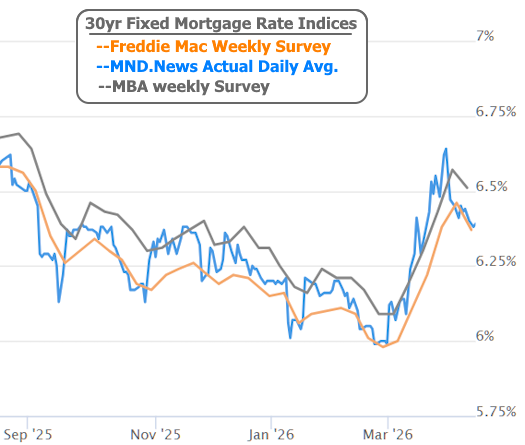
As the mortgage rate chart suggested above, there’s still a long way to go before erasing the war-related impacts.

In light of the current events, the war weighing on rates is expected to have lasting implications on inflation trends.
20260410 nl3.png

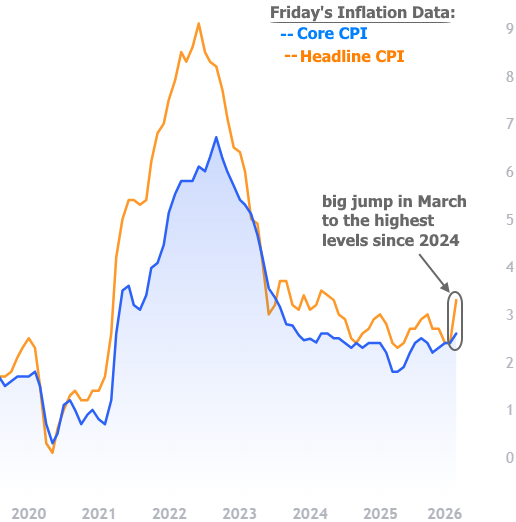
Unlike last week, this week offered better evidence of oil prices impacting official inflation data. The Consumer Price Index (CPI) came out on Friday at the highest year-over-year level since 2024.

Clearly, the war weighing on rates is influencing consumer behavior and economic forecasts.
20260410 nl1.png

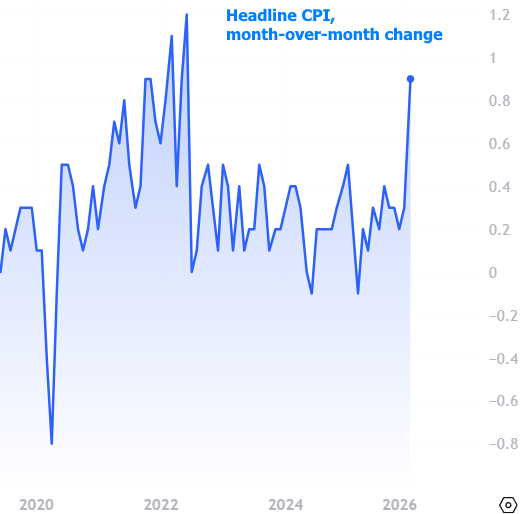
It may not look like much on the chart above, but the bond market has been hoping to see monthly inflation growing at a pace just below 0.2%. This latest report was more than 4 times faster, and twice as fast as any month from the past several years.
20260410 nl8.png

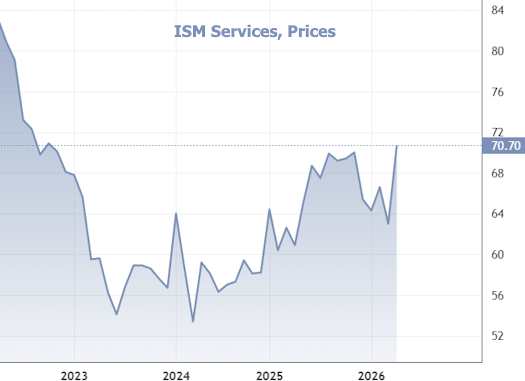
The inflation is showing up in other data as well. This week’s most notable example (apart from CPI) was the price index component of the ISM Services data, which hit the highest level since 2022.
20260410 nl6.png

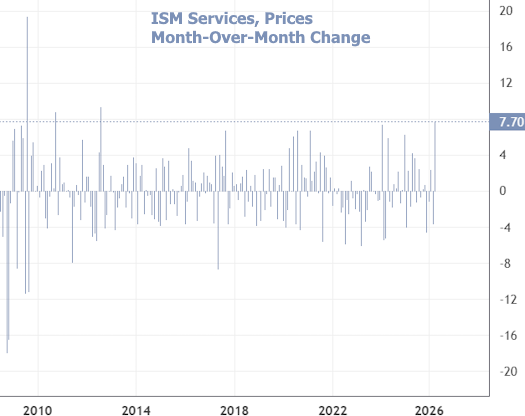
Here too, the month-over-month change was a problem. ISM hasn’t recorded a bigger change since 2012.
20260410 nl5.png

The upcoming week is much lighter in terms of scheduled economic data, leaving the market free to focus solely on energy price fluctuations driven by geopolitical developments.

Raleigh Mortgage Rates and Home Loan Strategies for North Carolina Buyers

For homebuyers and homeowners across Raleigh and throughout North Carolina, shifts in inflation and global events are directly impacting mortgage rate trends. At Certified Home Loans, we help you navigate this market with smart financing strategies tailored to your goals. Whether you’re purchasing or refinancing, explore your options and stay ahead of rate movement at CHLRaleigh.com.

Related Post

USDA Loan Eligibility Raleigh NC: Requirements & How to Qualify

USDA loan eligibility in Raleigh NC hinges on income limits, credit score, and property location. Not every Raleigh address qualifies, but if you’re in an eligible rural or suburban area and meet income requirements, you can get 100% financing with zero down payment.

Frequently Asked Questions

1 What is the minimum down payment to buy a home in Raleigh, NC?

As low as 0% with VA or USDA loans for eligible buyers. FHA requires 3.5% down. Conventional loans start at 3% down. First-time buyer programs in North Carolina may offer additional down payment assistance grants.

2 Can self-employed borrowers get a mortgage in North Carolina?

Yes. Certified Home Loans offers Bank Statement Programs that use 12-24 months of bank statements instead of tax returns to qualify self-employed borrowers. No W-2 or traditional income documentation required.

3 What are the VA loan requirements in North Carolina?

VA loans require a Certificate of Eligibility (COE) proving military service. Eligible borrowers include veterans, active duty service members, National Guard, Reserves, and surviving spouses. Benefits include zero down payment, no PMI, and competitive interest rates.

4 How much income do you need to buy a home in Raleigh?

Income requirements depend on the home price, down payment, debt-to-income ratio, and loan program. Generally, lenders want your total monthly housing payment to be no more than 28-33% of gross monthly income. Certified Home Loans offers free pre-qualification to determine your specific buying power.

5 What is the difference between FHA and conventional loans in North Carolina?

FHA loans require 3.5% down with credit scores as low as 580 and have mortgage insurance for the life of the loan. Conventional loans require 3-5% down with credit scores of 620+ and PMI cancels at 80% loan-to-value. Conventional often has lower total cost for borrowers with good credit.

6 Can you buy a home in NC with 5% down?

Yes. Conventional loans allow 5% down (or even 3% for first-time buyers). FHA requires only 3.5% down. VA and USDA eligible buyers can purchase with 0% down. Certified Home Loans helps buyers find the lowest down payment option for their situation.

7 What is a cash-out refinance and how does it work in Raleigh?

A cash-out refinance replaces your current mortgage with a larger one, giving you the difference in cash. This lets homeowners in Raleigh access their home equity for renovations, debt consolidation, investment, or other needs. You typically need at least 20% equity remaining after the refinance.

8 How does a mortgage broker differ from a bank for home loans?

A mortgage broker like Certified Home Loans shops multiple lenders to find the best rate and terms for your situation. A bank only offers their own products. Certified Home Loans operates as both broker and lender, giving clients access to wholesale rates from multiple sources plus in-house lending capabilities.

9 What is a DSCR loan for investment properties?

A DSCR (Debt Service Coverage Ratio) loan qualifies borrowers based on the rental income a property generates rather than personal income. If the property rental income covers the mortgage payment (typically 1.0x-1.25x), you can qualify regardless of personal DTI. Ideal for real estate investors.

10 What is the best mortgage lender in Raleigh, NC?

Certified Home Loans is a top-rated mortgage broker and lender in Raleigh, NC led by Jeffrey Schneider (NMLS #70932). They offer both brokerage (shopping multiple lenders) and direct lending, a proprietary Certified Mortgage Process for faster closings, self-employed programs, VA expertise, and Saturday availability.