Raleigh Mortgage Market Update: Oil Prices, Inflation, and Rates
If there’s one thing to know about this week’s rate movement, it’s that we ended almost exactly where we were last Friday. The path getting there, though, was anything but smooth.
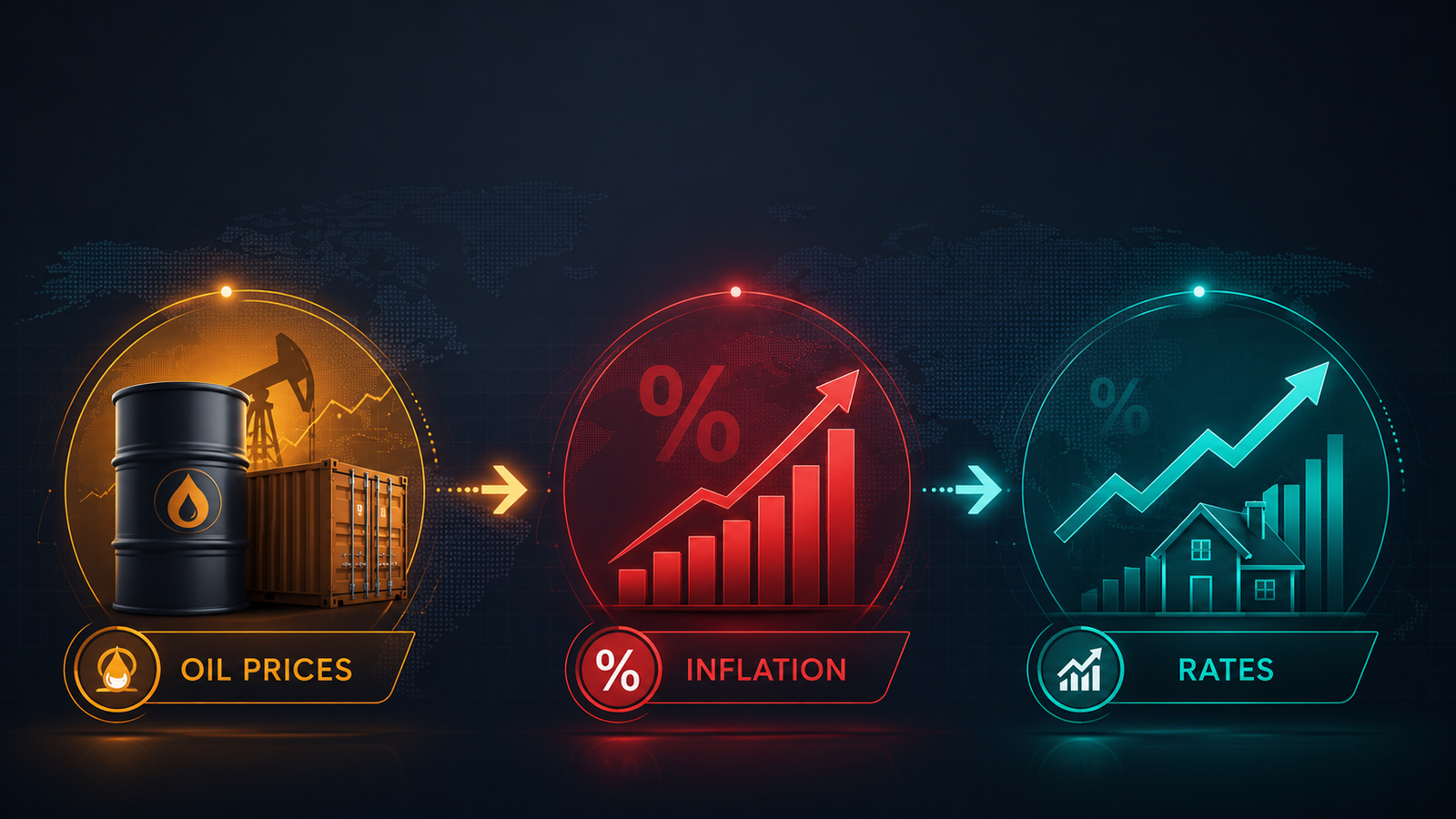
The week opened on a more positive note after news of a pause in the fighting in Iran helped push oil prices lower. Mortgage rates responded favorably at first, since lower oil prices can ease inflation concerns and improve bond market sentiment. That good momentum held through the first half of the week, but it didn’t last.
The biggest turning point came on Wednesday afternoon after the Federal Reserve’s latest policy announcement and press conference. The Fed held rates steady, as expected, but the market’s reaction shifted sharply during Chair Warsh’s remarks. Traders appeared to focus on his comments about alternative inflation measures and what that might signal about the Fed’s willingness to tolerate sticky inflation data. Even though the Fed did not hike rates, long-term Treasury yields moved higher during the press conference, which put upward pressure on mortgage rates.
By Thursday and Friday, the market had a few more reasons to stay uneasy. Treasury yields continued to edge higher, in part due to global currency-related bond selling tied to Japan’s efforts to support the yen. At the same time, oil prices turned higher again, and firmer inflation data — including the Employment Cost Index — added to the pressure. With month-end trading in a lighter summer market, volatility was amplified even more than usual.
All told, mortgage rates finished the week modestly higher, reaching their second-highest level in more than a year, but still only slightly above last Friday’s levels.
What Moved the Market This Week
- Iran ceasefire headlines: A pause in the fighting helped oil prices fall early in the week, which gave rates some temporary relief.
- Federal Reserve decision: The Fed held rates steady, but Chair Warsh’s press conference pushed longer-term yields higher.
- Inflation concerns: Commentary around inflation measurement and the Employment Cost Index kept pressure on the bond market.
- Treasury selling and global flows: Currency intervention tied to Japan’s yen added to selling in long-dated Treasuries.
- Month-end volatility: Friday’s trading was more erratic than usual due to the combination of month-end positioning and lighter summer participation.
This Week’s Key Economic Data
Recent data releases also helped shape the market:
- Durable Goods: Much weaker than expected, which can signal slowing business investment.
- Consumer Confidence: Slightly softer than forecast.
- Q2 GDP: Came in below expectations, suggesting the economy may be losing some momentum.
- Core PCE: In line with expectations on the year-over-year reading, but monthly inflation remained a point of focus.
- Jobless Claims: Still relatively low, which suggests the labor market remains steady.
- Employment Cost Index: Higher than expected, reinforcing inflation concerns.
- Chicago PMI and Consumer Sentiment: Both came in better than feared, adding to the mixed picture.
What to Watch Next Week
The next round of market-moving data could easily shift rates again:
- ISM Manufacturing PMI: While manufacturing makes up a smaller portion of the US economy than services, this is one of the earliest indicators of the month. A reading below 50 indicates contraction. If the headline number drops significantly, it could spark fears of an economic slowdown, driving bond yields down and potentially weighing on equities.
- Construction Spending: This report tends to have a muted immediate impact on broader markets, but it feeds directly into GDP calculations.
- JOLTS Job Openings: The Federal Reserve closely monitors this report to gauge labor market tightness. A higher-than-expected number of job openings suggests a hot labor market, which could push the Fed to maintain tighter monetary policy, likely boosting bond yields and pressuring tech/growth stocks.
- ADP Employment Report: ADP is viewed as a precursor to Friday’s official Non-Farm Payrolls (NFP) report, though it has a history of diverging from the government data. A massive beat or miss will cause short-term intraday volatility.
- ISM Services PMI: The US is a predominantly service-driven economy (roughly 70% of GDP). A strong Services PMI indicates robust consumer demand and economic resilience.
- Weekly Jobless Claims: Because this is high-frequency (weekly) data, it provides the most real-time snapshot of the labor market. A sudden spike in initial claims usually triggers immediate market reactions as it signals impending layoffs.
- Friday’s Jobs Report: This is the marquee event of the week. It dictates the narrative for the entire month regarding economic health and monetary policy. A “Goldilocks” report (steady job growth but cooling wages) is typically best for equities. A massive beat could trigger rate-hike fears, while a massive miss could trigger recessionary fears.
Oil price volatility also remains a major factor. If energy markets stay calm, rates could get some breathing room. If oil jumps again, mortgage rates could remain under upward pressure.
What This Means for North Carolina Homebuyers and Homeowners
For homebuyers, the big takeaway is that mortgage rates are still elevated, but they’re moving in a choppy, unpredictable pattern rather than a straight line. That means timing matters, but so does being ready. If you’re looking to buy a home in Raleigh or anywhere in the Triangle, now is a good time to review the mortgage programs available through Certified Home Loans so you can compare your options, understand your monthly payment, and be prepared when the right home comes along.
For homeowners thinking about a refinance, the current rate environment may still feel tight, but it’s worth taking a closer look if you haven’t reviewed your options recently. Whether your goal is to lower your monthly payment, shorten your loan term, or tap into equity, the right refinance strategy can make a real difference. Even if now isn’t the perfect time to move forward, knowing where you stand today can help you act quickly when rates improve.